
Need Help?
+91 94294 10291
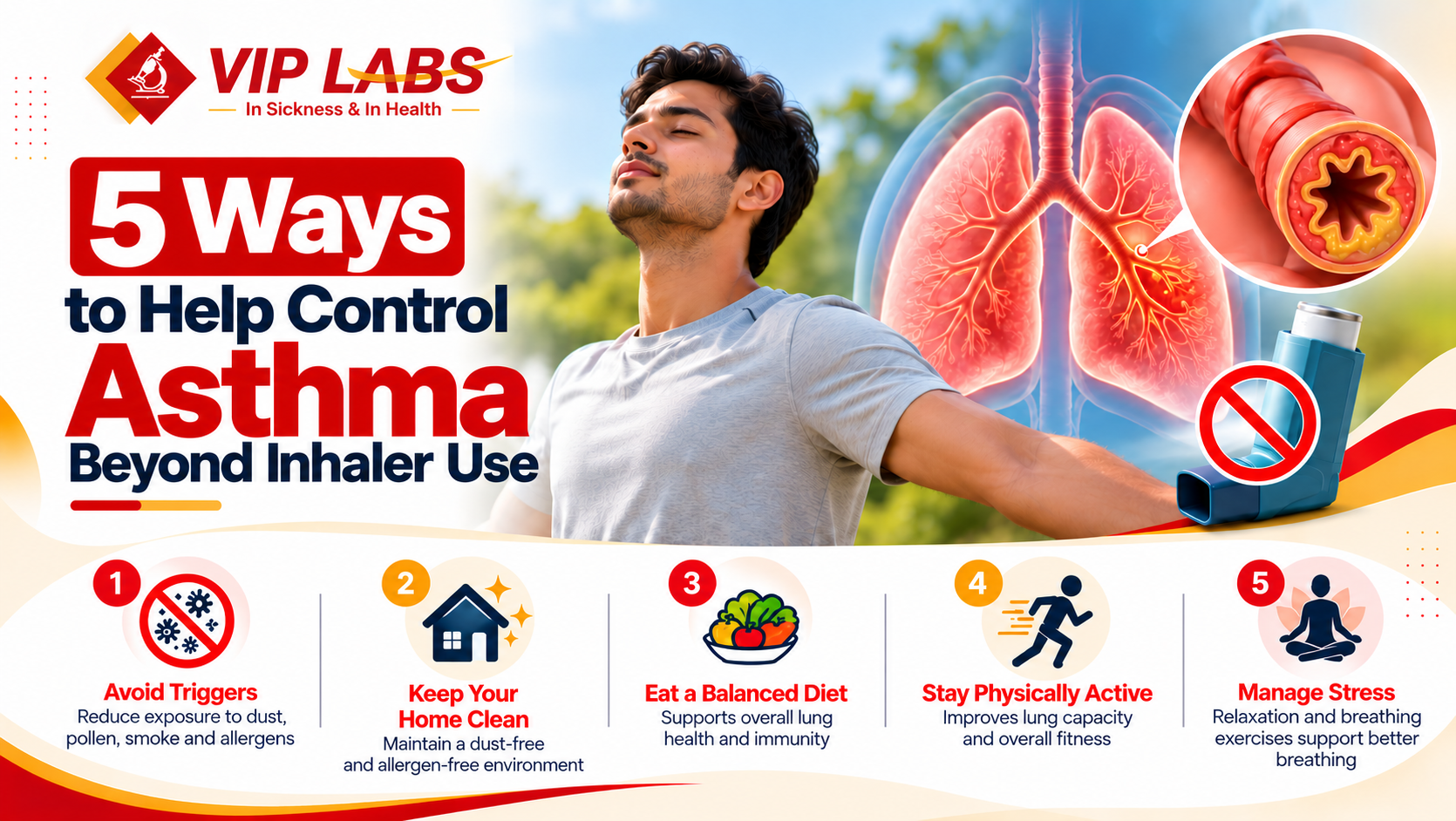
Asthma is a long-term respiratory condition that affects the airways and can make breathing difficult. People with asthma may experience coughing, wheezing, chest tightness, and shortness of breath. These symptoms can sometimes interfere with sleep, exercise, work, and everyday activities.
Many people look for ways to manage asthma through lifestyle changes and home care. Although certain habits can help reduce asthma triggers and support better breathing, it is important to understand that there is no guaranteed natural method that can replace prescribed asthma medication or an inhaler safely for everyone.
The good news is that identifying triggers, maintaining a healthy lifestyle, following a personalised asthma action plan, and attending regular medical checkups can help many people manage their symptoms more effectively.
In this blog, we explore practical ways to support asthma control beyond medication alone.
Asthma is a condition in which the airways become inflamed and sensitive to certain triggers. The muscles around the airways may tighten, and the airway lining may swell or produce extra mucus, making it harder for air to move in and out of the lungs.
Common asthma symptoms include:
Asthma symptoms can vary from person to person. Some people experience occasional symptoms, while others require ongoing treatment and monitoring.
One of the most useful steps in asthma management is identifying the factors that trigger your symptoms. Triggers differ from person to person, so understanding your individual pattern can help you reduce exposure.
Common asthma triggers include:
What you can do:
Keep your home well ventilated when outdoor air quality allows, clean damp areas, wash bedding regularly, and avoid exposure to tobacco smoke. On days with poor air quality, consider limiting strenuous outdoor activity.
You do not need to avoid every possible trigger. Focus on those that consistently worsen your symptoms and discuss suspected allergies with a healthcare professional.
Indoor allergens and irritants can worsen asthma symptoms in some people. A cleaner, drier indoor environment may help reduce exposure to certain triggers.
Try these practical steps:
Cleaning should be done in a way that does not create additional exposure to dust or chemical fumes. If cleaning itself triggers symptoms, consider asking someone else to do it or use suitable protective measures.
A balanced diet supports overall health and can help maintain a healthy weight. Excess body weight can make asthma symptoms more difficult to manage for some people.
Include a variety of foods such as:
No particular food or drink has been proven to cure asthma. Avoid eliminating major food groups or taking supplements marketed as asthma treatments without professional advice. If a specific food causes an allergic reaction or consistently triggers symptoms, discuss it with a healthcare professional.
Regular physical activity supports cardiovascular fitness, muscle strength, and general well-being. Many people with asthma can exercise safely when their condition is appropriately managed.
Activities such as walking, cycling, swimming, or gentle yoga may suit some individuals, depending on their symptoms and fitness levels.
To exercise more comfortably:
Exercise should not be used as a substitute for asthma treatment. If physical activity regularly causes symptoms, speak with your healthcare professional about improving asthma control.
Stress and anxiety can make breathing discomfort feel worse and may contribute to symptom difficulties in some people. Relaxation techniques can support emotional well-being and help some individuals feel calmer during mild breathing discomfort.
You may find the following helpful:
Breathing exercises do not treat the underlying airway inflammation and cannot reliably stop an asthma attack. Do not delay prescribed rescue treatment or emergency care while trying relaxation techniques.
This depends on the individual's diagnosis, symptoms, and treatment needs. Some people may have a treatment plan that requires medication only under specific circumstances, while others need regular controller treatment to prevent symptoms and reduce the risk of severe attacks.
Inhalers are a central part of asthma treatment because they deliver medicine directly to the airways. Depending on the prescribed medicine, an inhaler may help reduce inflammation, relieve airway narrowing, or provide both effects.
Never stop, reduce, or replace a prescribed inhaler with home remedies without consulting your healthcare professional. Feeling better does not always mean that airway inflammation has resolved. If you want to reduce your medication, discuss whether a supervised treatment adjustment is appropriate.
If you are using your reliever inhaler more frequently than usual, waking at night with asthma symptoms, or struggling with routine activities, arrange a medical review. These may be signs that your asthma needs better control.
Asthma can change over time. Regular reviews help a healthcare professional assess your symptoms, check your medication technique, identify triggers, and update your asthma action plan.
Depending on your symptoms and medical history, your clinician may recommend:
Spirometry: A lung function test that measures how much air you can breathe out and how quickly.
Peak flow monitoring: A measurement of how quickly you can blow air out, sometimes used to track changes in asthma control.
Allergy testing: May help identify specific allergens when the results could guide your care.
Other investigations: Additional tests may be considered when symptoms need further evaluation or another condition is suspected.
Not everyone needs every test. Your healthcare professional will determine which assessments are appropriate for you.
Contact a healthcare professional if your asthma symptoms are becoming more frequent, disturbing your sleep, limiting exercise, or requiring more reliever medication than usual.
Seek emergency medical help if you have severe breathing difficulty, cannot speak in full sentences, develop blue or grey lips, become confused or unusually drowsy, or your prescribed reliever treatment is not helping. Follow your personal asthma action plan while getting urgent assistance.
Do not rely on steam inhalation, herbal remedies, or breathing exercises to treat a severe asthma attack.
Managing asthma involves more than avoiding symptoms. Identifying personal triggers, maintaining a healthier indoor environment, eating a balanced diet, staying active within your limits, and practising relaxation techniques can support overall asthma management.
However, these measures are supportive strategies, not replacements for prescribed asthma medication. The safest approach is to combine healthy daily habits with appropriate medical treatment, regular reviews, and a personalised asthma action plan.
If you have asthma or frequently experience coughing, wheezing, or breathlessness, consult a healthcare professional to understand the cause and determine the right treatment plan for you.