
Need Help?
+91 94294 10291
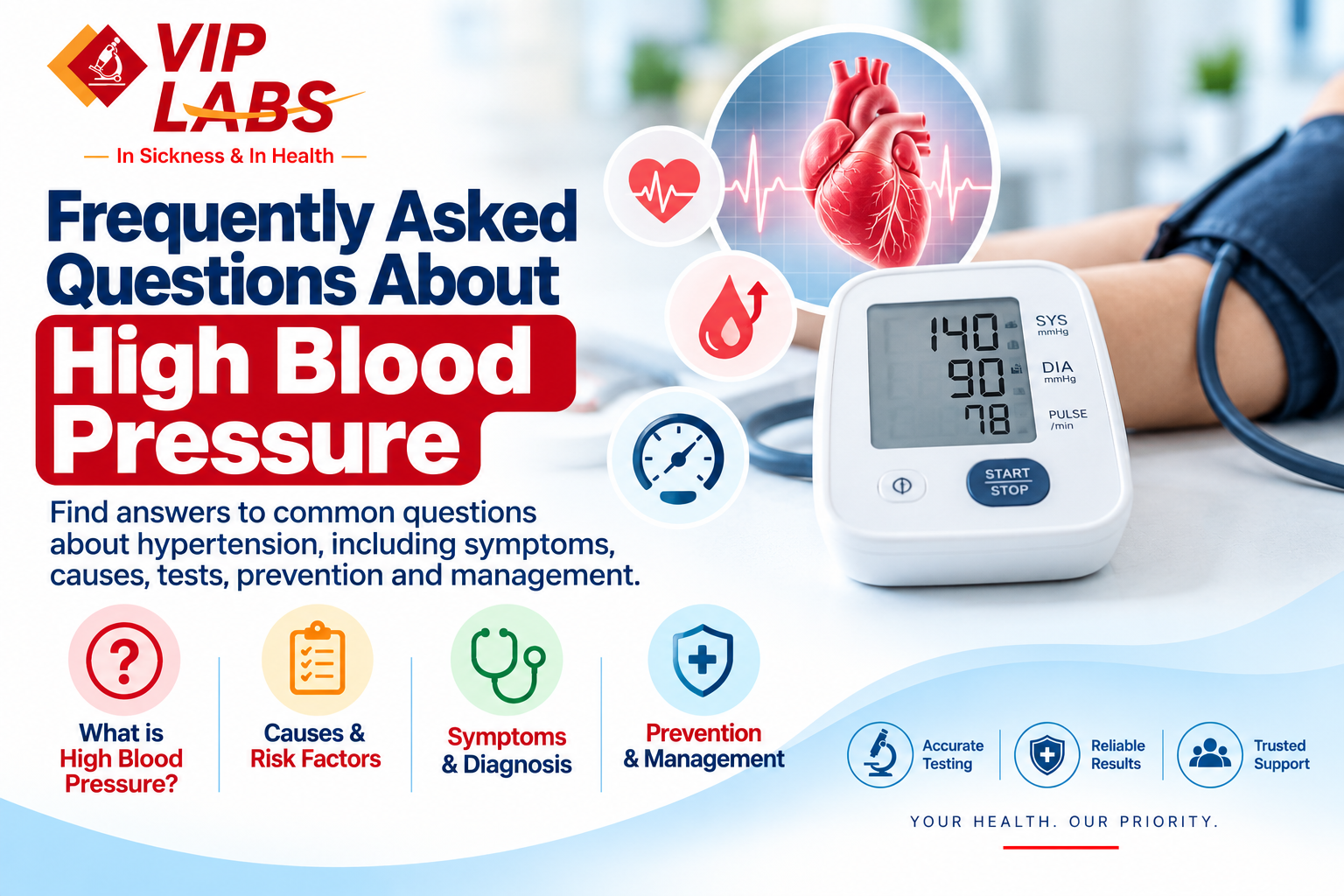
High blood pressure, also known as hypertension, is a common health condition in which the pressure of blood against the walls of the arteries remains consistently too high. It often develops without noticeable symptoms, which is why regular blood pressure monitoring and routine health checkups are important.
If left uncontrolled, high blood pressure can increase the risk of serious health problems involving the heart, brain, kidneys and blood vessels. The good news is that hypertension can often be managed with healthy lifestyle changes, regular monitoring and medicines when prescribed by a healthcare professional.
High blood pressure, or hypertension, occurs when blood consistently pushes against the walls of the arteries with excessive force.
A blood pressure reading has two numbers:
Blood pressure can change throughout the day. Therefore, a healthcare professional may use multiple readings to assess whether a person has hypertension.
According to the American Heart Association's current categories:
A healthcare professional should interpret your readings and confirm a diagnosis rather than relying on a single measurement.
One of the most important things to know about hypertension is that it often has no noticeable symptoms. A person may have high blood pressure and feel completely healthy.
Very high blood pressure can sometimes be associated with symptoms such as severe headache, chest pain, difficulty breathing, vision changes, confusion or other serious symptoms. Regular blood pressure checks are therefore important for early detection.
High blood pressure can develop due to several factors. Common risk factors include:
Some people may develop hypertension without one specific identifiable cause.
Anyone can develop high blood pressure. However, the risk may increase with age, family history, unhealthy lifestyle habits, excess weight, physical inactivity, smoking, excessive alcohol consumption and certain medical conditions such as diabetes or kidney disease.
People with high blood pressure may also benefit from regular preventive health monitoring. Depending on individual health needs, a doctor may recommend tests to evaluate factors associated with cardiovascular, kidney and metabolic health.
High blood pressure can affect the cardiovascular system and may also be associated with other conditions such as diabetes, high cholesterol and kidney problems.
For example, a Lipid Profile measures important blood fats such as total cholesterol, HDL cholesterol, LDL cholesterol and triglycerides. These results can help healthcare professionals assess cardiovascular risk alongside other factors, including high blood pressure.
People with hypertension may also need kidney and blood sugar monitoring depending on their individual health status and doctor's advice.
There is no single blood test that diagnoses high blood pressure. Hypertension is diagnosed primarily through blood pressure measurement.
However, your doctor may recommend additional laboratory tests to assess related health risks or possible complications. Depending on your medical history, these may include:
• Lipid Profile – helps evaluate cholesterol and triglyceride levels and cardiovascular risk.
• Kidney Function Tests (RFT) – can help assess kidney function, which is particularly relevant because high blood pressure and kidney disease can affect each other.
• Fasting Blood Sugar (FBS) – helps assess blood glucose levels and screen for diabetes or prediabetes.
• HbA1c – provides information about average blood glucose levels and is commonly used in diabetes assessment and monitoring.
VIP Labs provides these diagnostic services, making them useful tests to discuss with your healthcare professional when appropriate.
The kidneys play an important role in regulating fluids and blood pressure. At the same time, uncontrolled high blood pressure can damage the kidneys over time.
Kidney function testing may include blood and urine tests that help evaluate kidney health. VIP Labs' Basic Kidney Function Tests (RFT) include parameters such as creatinine, urea, electrolytes and urine analysis.
If you have hypertension, your healthcare professional may recommend kidney function monitoring based on your individual risk factors.
Yes. Persistently high blood pressure can place additional strain on blood vessels and the heart. Over time, uncontrolled hypertension can increase the risk of cardiovascular complications, including heart disease and stroke.
This is one reason why managing blood pressure and monitoring other cardiovascular risk factors, such as cholesterol and blood sugar, can be important.
Not every case of hypertension can be prevented, but healthy lifestyle habits can reduce the risk and help manage blood pressure.
Helpful habits include:
Regular physical activity can help support healthy blood pressure and overall cardiovascular health.
Activities such as walking, cycling, swimming and other moderate-intensity exercises can be included as part of a healthy lifestyle. If you have hypertension or another medical condition, speak with your healthcare professional about an appropriate exercise plan.
Yes. Eating habits can have an important effect on blood pressure.
A heart-healthy eating pattern can include more vegetables, fruits, whole grains and other nutritious foods while limiting excessive salt and foods high in saturated and trans fats.
Reducing sodium intake is particularly important for people trying to prevent or manage high blood pressure.
Some people can improve their blood pressure through lifestyle changes, while others require medication.
The decision to start or change medication depends on factors such as blood pressure levels, cardiovascular risk and other health conditions. If your doctor prescribes blood pressure medication, take it as directed and do not stop treatment without medical advice.
Hypertension can often be controlled effectively, but it may require long-term monitoring and management.
Healthy lifestyle changes can help lower blood pressure, while some people may need ongoing medication. Your treatment plan should be based on your individual health needs and your healthcare professional's advice.
The appropriate frequency depends on your age, health history, previous readings and whether you have already been diagnosed with hypertension.
If your blood pressure is elevated or you have been diagnosed with hypertension, your healthcare professional may recommend checking it regularly at home or during medical visits. Keeping a record of your readings can also help your healthcare professional understand changes over time.
A blood pressure reading above 180/120 mm Hg is considered severely high. If a very high reading occurs together with symptoms such as chest pain, shortness of breath, weakness or numbness, vision changes or difficulty speaking, seek emergency medical care immediately.
Do not try to manage potentially serious symptoms at home or wait for a routine laboratory test.
If your doctor recommends blood tests to assess cardiovascular, kidney or metabolic health, you can explore the relevant diagnostic services available at VIP Labs.
VIP Labs offers a range of pathology tests and preventive health packages, along with home sample collection services in Ahmedabad and Gandhinagar.
High blood pressure is common and can remain unnoticed for a long time. Regular blood pressure monitoring, healthy lifestyle habits and appropriate medical follow-up can help reduce the risk of complications.
If you have repeatedly high blood pressure readings, speak with a qualified healthcare professional. Depending on your individual health profile, your doctor may also recommend monitoring cholesterol, blood sugar and kidney function.
Taking care of your blood pressure today can be an important step toward protecting your heart, brain and kidney health in the future.