
Need Help?
+91 94294 10291
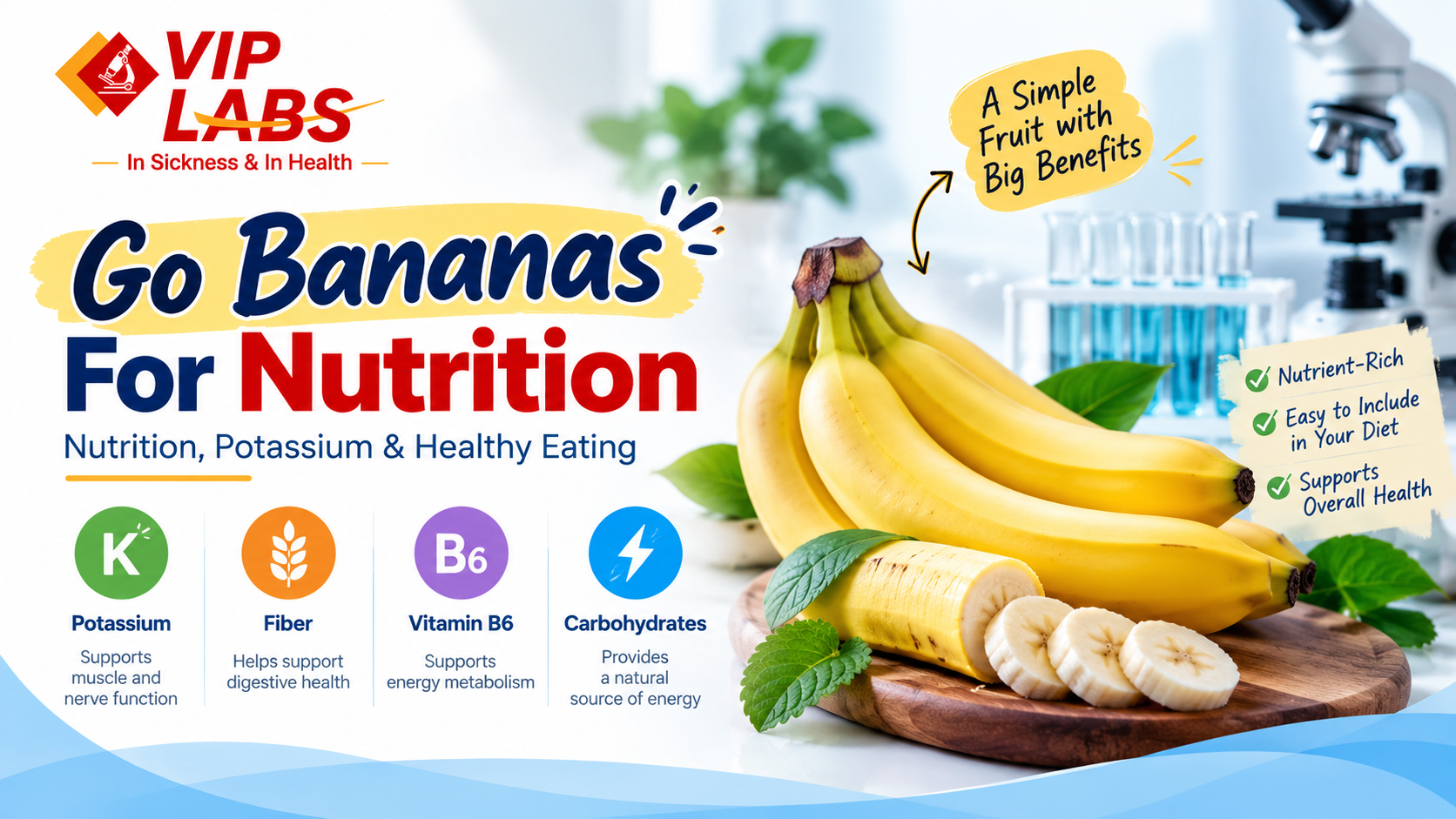
Quick answer: The main banana benefits come from potassium, fibre, vitamin B6 and quick natural carbohydrate. One medium banana (about 118 g) has roughly 105 kcal, 27 g carbs, 3 g fibre and about 420 mg potassium. Bananas suit most diets, but people with diabetes should watch portions, and those with kidney disease may need a serum potassium test to guide intake.
Bananas are one of the most convenient and widely loved fruits in India. They are naturally sweet, cheap, easy to carry and simple to eat, and they work in breakfasts, snacks, smoothies and desserts. From the small elaichi (yelakki) banana to the long Robusta and the red banana, there is a variety for every taste.
Beyond taste and convenience, bananas provide several important nutrients, including carbohydrates, dietary fibre, vitamin B6 and potassium. Including bananas as part of a balanced diet is a simple way to add nutritious food to your day. This guide explains banana nutrition facts, the health benefits, who should be careful, and how to fit bananas into a healthy eating pattern.
Bananas contain a useful combination of nutrients that support overall health. The key ones are potassium, dietary fibre, vitamin B6, carbohydrates, vitamin C and manganese. The exact values vary with the size, variety and ripeness of the banana. Approximate values for one medium raw banana are shown below.
| Nutrient (1 medium banana, about 118 g) | Approximate amount | Why it matters |
|---|---|---|
| Energy | About 105 kcal | Quick, light source of energy |
| Carbohydrates | About 27 g (around 14 g natural sugars) | Fuel for the brain and muscles |
| Dietary fibre | About 3 g | Digestion and fullness |
| Potassium | About 420 mg | Muscle, nerve and heart function; blood pressure |
| Vitamin B6 | About 0.4 mg (roughly a quarter of daily needs) | Metabolism, nerve chemicals, red blood cells |
| Vitamin C | About 10 mg | Immunity, iron absorption, skin |
| Manganese | About 0.3 mg | Enzymes, bone health |
| Magnesium | About 32 mg | Muscle and nerve function |
| Fat and protein | Under 0.5 g fat; about 1.3 g protein | Pair with nuts or curd for balance |
Values are approximate, based on standard food composition data, and vary by variety. Smaller Indian varieties such as elaichi banana provide proportionately less.
Potassium is an essential mineral and electrolyte that helps muscles contract, nerves send signals and the heart keep a steady rhythm. Diets rich in potassium from fruits and vegetables, combined with less salt, are linked with lower blood pressure.
Among banana benefits, potassium is the best known. Bananas are a convenient source, though not the richest; one banana gives under a tenth of an adult's daily needs, so they work best alongside vegetables, dals, curd and other fruits. Potassium needs vary between individuals. People with certain kidney conditions, or who take some blood pressure or heart medicines, may need to limit potassium based on their doctor's advice.
If your doctor wants to check your potassium level, a serum potassium (K) blood test measures the amount in your blood. Potassium testing may be recommended when an electrolyte imbalance is suspected or as part of kidney and heart evaluations, often within a serum electrolytes test.
Bananas provide dietary fibre, an important part of a healthy diet. Fibre supports digestive health and helps you feel full after eating. Slightly green bananas also contain resistant starch, which acts like fibre and feeds healthy gut bacteria; as bananas ripen, this starch turns into sugar.
Eating a variety of fibre-rich foods, such as fruits, vegetables, whole grains, beans and legumes, builds a balanced diet. Choosing whole fruits such as bananas instead of highly processed sweet snacks is a simple way to improve the overall quality of your diet. For more ideas, see our tips for constipation relief.
Bananas are a source of vitamin B6, which is involved in protein metabolism, the formation of red blood cells and the production of brain chemicals such as serotonin and dopamine.
No single fruit covers all your vitamin needs. A varied diet of fruits, vegetables, whole grains, legumes, nuts, seeds and other nutritious foods provides the full range of essential vitamins and minerals.
Bananas contain carbohydrates that give the body energy. This makes them a convenient snack before or after exercise, which is why you often see athletes eating them between matches. The amount of carbohydrate and natural sugar rises as the fruit ripens and with larger sizes.
If you have diabetes or are watching your blood glucose, consider portion size and how bananas fit into your overall meal plan. A doctor or registered dietitian can give you individual advice.
One of the biggest advantages of bananas is convenience. They need no preparation, are easy to carry and can be eaten almost anywhere, at office, in school tiffins or while travelling.
Instead of reaching for biscuits, chips or namkeen, pair a banana with other nutritious foods such as unsalted nuts, plain curd or yogurt, oats, a small portion of peanut butter, or whole-grain foods. Combining foods makes a more balanced snack with carbohydrate, protein, fibre and healthy fat, and slows the rise in blood sugar.
There are many simple ways to include bananas in meals:
Choose minimally processed options and keep variety in your diet. Banana chips fried in oil, banana milkshakes with added sugar and banana cakes are treats rather than everyday health foods.
For most healthy people, bananas can be part of a balanced diet. However, no single food provides every nutrient your body needs, so it is still important to eat a variety of fruits, vegetables, whole grains, protein sources and healthy fats.
Some people need specific dietary limits. For example, people with advanced kidney disease may be advised to limit potassium, and some people have a banana allergy (more common in those with latex allergy). If you have a medical condition or follow a special diet, speak with your doctor before making major dietary changes.
Bananas contain carbohydrates and natural sugars, so they do raise blood glucose. Their glycaemic index is low to medium (roughly 42 to 62), lower for slightly underripe bananas and higher for very ripe, spotty ones.
This does not mean people with diabetes or prediabetes must avoid bananas. Portion size, ripeness, what else you eat with it and your own glucose response all matter. A small or half banana, eaten with nuts or curd rather than on its own or as a shake, is usually a sensible choice. Focus on your overall eating pattern rather than cutting out individual fruits without medical advice.
Regular monitoring may be advised depending on your health. VIP Labs provides blood glucose tests including the HbA1c test, fasting blood sugar and post-meal (PPBS) blood sugar. A post-meal test after your usual breakfast can show how foods like bananas affect you.
Banana benefits are real, but healthy eating is not about relying on one food. It is about building a varied, balanced diet that gives your body what it needs. A healthy eating pattern includes a variety of fruits and vegetables, whole grains, adequate protein, healthy fats, fibre-rich foods, sensible portions and enough fluids. Bananas fit easily into this kind of pattern. Our post on why there is no single diet plan for all explains why personalisation matters.
Good nutrition is a key part of staying healthy, and regular check-ups help you understand what is happening inside your body. Tests that relate to the nutrients in this article include:
For a broader assessment, VIP Labs offers the Fit India Body Profiles. These packages combine different laboratory tests and health parameters. The Fit India Advance Body Profile, for example, includes serum potassium with sodium and chloride, blood sugar and HbA1c, vitamin B12, vitamin D, lipid tests, kidney and liver parameters and other assessments. Check the package page for the current list and price. Choose check-ups according to your age, health status, risk factors and your doctor's advice.
Speak with a doctor before changing your diet if you:
Seek urgent care for muscle weakness or paralysis, palpitations or an irregular heartbeat, or severe cramps, especially if you have kidney disease or take such medicines, because these can signal a dangerous potassium level. Also get emergency help for lip or throat swelling, hives or difficulty breathing after eating banana. Do not make major diet changes based only on an online article.
Bananas are a nutritious, convenient and versatile fruit that fits well in a balanced diet. The main banana benefits come from potassium, dietary fibre, vitamin B6, vitamin C and natural carbohydrates. Rather than looking for a single "superfood", aim for variety and balance in your daily meals. Enjoy bananas alongside other fruits, vegetables, whole grains, protein foods and healthy fats. If you have a medical condition or special nutritional needs, ask a doctor for personalised advice.
For most healthy people, one or two bananas a day fit well in a varied, balanced diet. The right amount depends on your overall diet, calorie needs and health conditions such as diabetes or kidney disease.
Many people with diabetes can eat bananas in controlled portions, such as a small or half banana, preferably slightly less ripe and eaten with nuts or curd. Count it as part of your carbohydrate intake and follow your doctor's or dietitian's advice.
A medium banana of about 118 g contains roughly 420 mg of potassium, which is a little under a tenth of an adult's daily needs. Vegetables, dals, curd, coconut water and other fruits also provide potassium.
Ripe bananas provide fibre that can help regular bowel movements when combined with enough water and other fibre-rich foods. Very unripe bananas are starchier and may feel binding to some people, so ripe ones are usually the better choice.
People with certain kidney conditions may need to limit potassium. Whether bananas are safe depends on kidney function, blood potassium levels and individual medical advice, so check with your doctor before changing your diet.
There is no single best time. A banana works well at breakfast, as a mid-morning snack or 30 to 60 minutes before exercise for quick energy. People with diabetes may do better eating it with a meal rather than alone.
VIP Labs has been a trusted pathology lab in Ahmedabad since 1997, with 20+ centres across Ahmedabad and Gandhinagar. Compare our health checkup packages, or book online for free home blood collection in Ahmedabad on tests above ₹500. You can also walk in at a pathology lab near you.
Disclaimer: This article is for general awareness only and is not a substitute for medical advice. Please consult a qualified doctor for diagnosis and treatment.