
Need Help?
+91 94294 10291
Quick answer: The benefits of helping others include a better mood, lower stress, a stronger sense of purpose and closer relationships, and studies link regular volunteering with better health. People help more when asked face to face and when doing the right thing feels easy. Blood donation is one powerful way to help; a blood group test is a good first step.
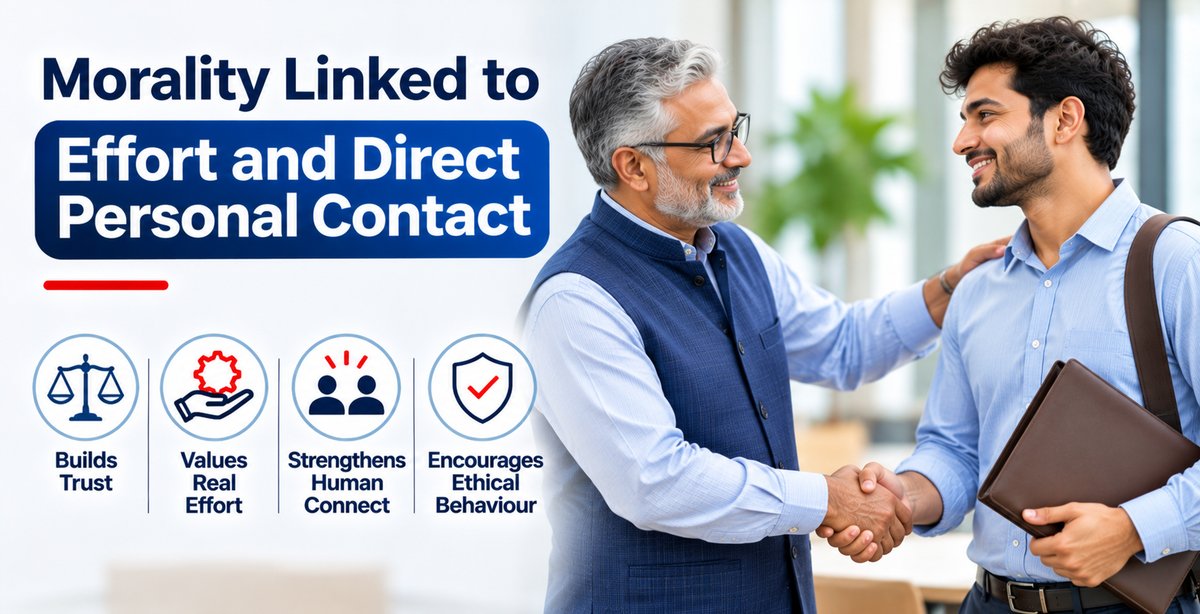
Our old post made two interesting points. First, effort affects morality: when doing the wrong thing takes more effort, people are less likely to do it. Second, people refuse help more easily when there is no direct, face-to-face contact. This article builds on those ideas to explain why people help, what kindness does for your own health, and practical ways to help others safely.
The benefits of helping others are not only for the person who receives help; giving also seems to benefit the helper. Here is what research broadly shows, with honest notes on how strong the evidence is.
Many people report a warm, uplifted feeling after helping someone. Experiments in which people were asked to spend money or time on others, rather than on themselves, have often found small boosts in happiness. Brain-imaging studies show that giving activates reward areas, the same regions involved in other pleasant experiences.
Focusing on someone else's needs can take attention away from your own worries. Some studies suggest that people who help others cope better with stressful life events, although the effects vary.
Helping builds friendships and a sense of meaning, both of which protect mental health. Loneliness is linked with poorer health, and volunteering is one of the simplest ways to meet people.
Long-term studies of older adults have found that regular volunteers tend to have lower blood pressure, stay more active and live longer. However, healthier and wealthier people are also more likely to volunteer, so these studies cannot prove that helping causes better health. The fairest view is that kindness is likely to help, and is very unlikely to harm.
| Possible benefit | How it may work | Strength of evidence |
|---|---|---|
| Better mood | Reward and pleasure areas in the brain respond to giving | Fairly consistent, usually small effects |
| Lower stress | Shifts focus away from your own worries; builds support | Mixed; depends on the person and setting |
| Less loneliness | Volunteering creates regular social contact | Reasonably good |
| More physical activity | Many volunteer roles involve walking and movement | Reasonable, mostly in older adults |
| Longer life | Possibly via lower stress and more activity | Observational only; cause not proven |
When we feel what another person is feeling, we want to ease their distress. Empathy is strongest for people who seem similar to us or close to us.
People help because they expect help in return one day, or because being seen as kind builds trust in a family, office or community.
Many Indian traditions value seva (selfless service), daan (giving) and caring for elders and neighbours. Religious and family values are strong drivers of helping.
When many people are present, each person feels less responsible and is less likely to step in. Classic research on emergencies shows this clearly. The fix is simple: if you need help, point to one specific person and ask them directly.
The original post's first point – that effort shapes moral behaviour – is supported in a general way. Experiments suggest that people are more likely to cut corners when cheating is quick and easy, and less likely when it takes extra effort or feels more personal. Results vary between studies, so treat this as a tendency rather than a rule.
The same principle works in reverse for good behaviour: when helping is easy, more people help. Organisers of blood donation camps, food drives and charities use this by making it simple to sign up, choosing convenient locations and sending reminders.
The original post's second point is also backed by research. In several studies, people asking strangers for small favours found that requests made in person worked far better than the same requests sent by email. The askers also tended to underestimate how willing people would be to say yes in person.
Why? Face to face, we see the person's face, hear their voice and feel the social pressure of saying no. Online, the request is easy to ignore, and it may even look like spam. Saying no is also easier when you never meet the person.
Practical takeaways for getting, and giving, the benefits of helping others:
A single blood donation can help patients in accidents, surgery, childbirth, cancer treatment and conditions such as thalassaemia, who need regular transfusions. Hospitals in India often face shortages, especially during summer and festival seasons.
Under national guidelines, healthy adults roughly 18 to 65 years old who weigh at least 45 kg and have adequate haemoglobin can usually donate. The blood bank checks your haemoglobin, blood pressure and health history before each donation. Men can usually donate every 3 months and women every 4 months. Pregnant or breastfeeding women, people with certain infections and people on some medicines must wait or cannot donate; the blood bank will advise you.
For healthy adults, yes. Sterile, single-use needles are used, and the body replaces the fluid within a day or two and red cells within a few weeks. Eat a light meal, drink water and avoid heavy exercise for the rest of the day.
Knowing your blood group helps in emergencies and in donor registries. A haemoglobin test or CBC test shows whether your levels are healthy; if you are often turned away for low haemoglobin, read our guide to iron deficiency anaemia and ask your doctor about an iron profile test.
The benefits of helping others hold only in balance. Caregivers looking after a sick family member, healthcare workers and people who find it hard to say no are at risk of compassion fatigue and burnout. Seek support if:
In India, the free Tele-MANAS mental health helpline 14416 is available 24x7. In an emergency, call 112. Our article on ways to beat depression offers more self-care ideas. Caregivers should also keep up their own check-ups; tiredness can have physical causes such as low vitamin D, thyroid problems or anaemia.
Helping others is linked with better mood, lower stress, less loneliness and a stronger sense of purpose. Long-term studies also link regular volunteering with better health and longer life, although they cannot prove that helping is the direct cause. It also builds trust and strong relationships.
Giving activates reward areas in the brain, which is often called the helper's high or warm glow. Helping also creates social connection and a sense of meaning, both of which lift mood. The effect is usually modest but consistent.
People help out of empathy, family and cultural values, a wish to be seen as trustworthy, the expectation that kindness will be returned, and because helping feels good. People help less when many others are present, because each person feels less responsible.
Yes. Studies comparing requests have found that asking in person is much more effective than asking by email or message, and people tend to underestimate how often others will say yes face to face. Personal contact makes a request harder to ignore.
For most people, yes. Volunteering can reduce loneliness, increase purpose and lift mood. Too much caregiving without rest can lead to burnout, so balance helping with looking after your own sleep, health and limits.
Generally, healthy adults aged about 18 to 65 who weigh at least 45 kg and have adequate haemoglobin can donate. Men can usually donate every 3 months and women every 4 months. The blood bank checks haemoglobin, blood pressure and medical history before every donation.
Ready to help others by donating blood, or want to check your own health first? VIP Labs, a trusted pathology lab in Ahmedabad, offers blood group, haemoglobin and CBC tests along with health checkup packages. Book online for home sample collection or visit a pathology lab near you.
Disclaimer: This article is for general awareness only and is not a substitute for medical advice. Please consult a qualified doctor for diagnosis and treatment.