
Need Help?
+91 94294 10291
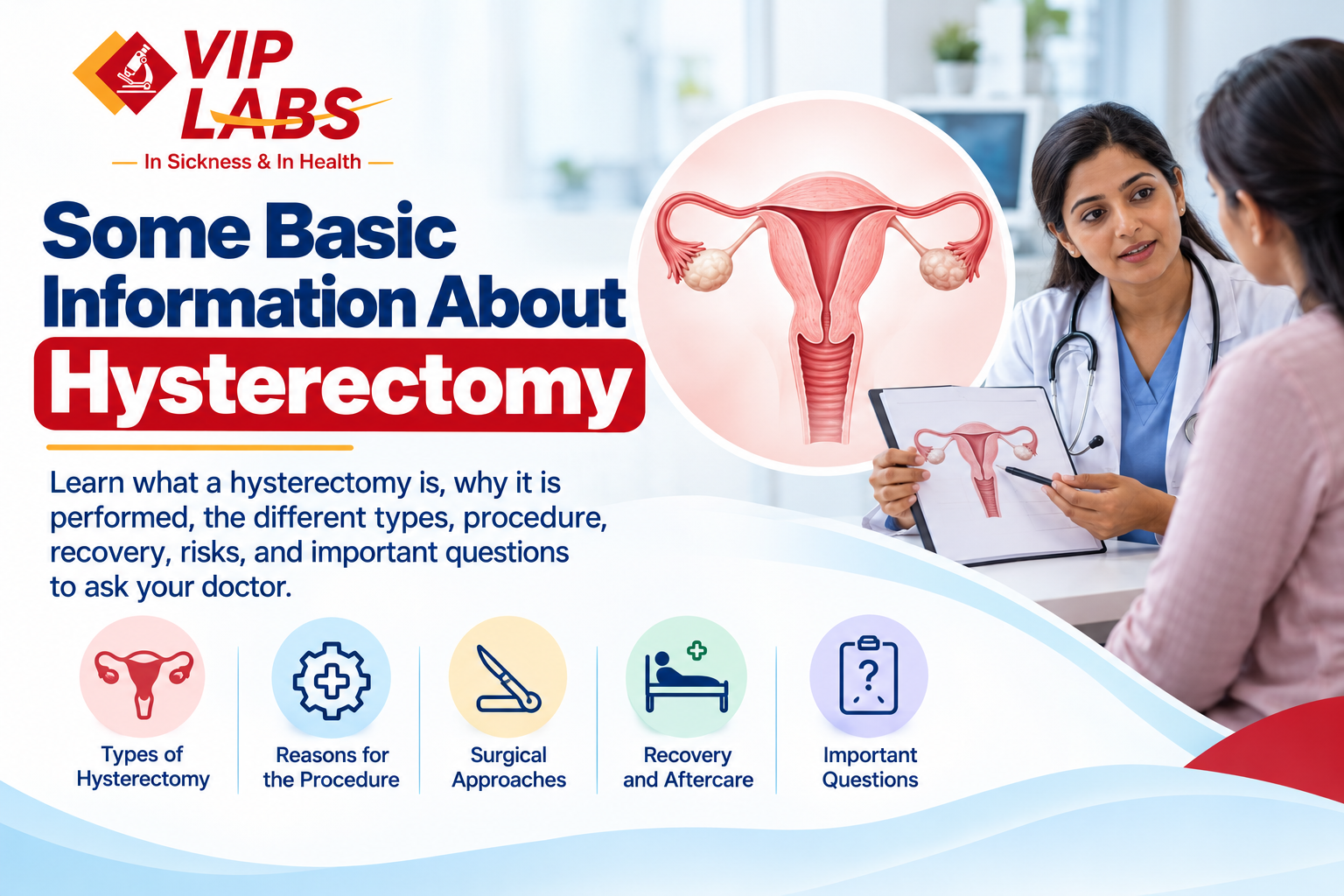
A hysterectomy is a common surgical procedure that many women may hear about when discussing certain gynecological conditions. If your doctor has recommended a hysterectomy, it is natural to have questions about what the procedure involves, why it may be needed, and what recovery may look like.
Understanding the basics can help you feel more informed and prepared when discussing your treatment options with your healthcare provider. A hysterectomy involves the surgical removal of the uterus, and depending on the medical condition and type of surgery, other reproductive organs may also be removed.
In this guide, we will discuss the types of hysterectomy, common reasons for the procedure, surgical approaches, recovery, and important questions to discuss with your doctor.
A hysterectomy is a surgical procedure in which the uterus (womb) is removed. After a hysterectomy, a woman will no longer have menstrual periods and will not be able to become pregnant.
The extent of the surgery depends on the individual's medical condition. In some cases, only the uterus is removed, while in others, the cervix, fallopian tubes, or ovaries may also be removed.
Your doctor will recommend the most appropriate approach based on your condition, medical history, symptoms, age, and overall health.
A hysterectomy may be recommended to treat or manage several gynecological conditions, particularly when other treatments have not been effective or are not suitable.
Uterine fibroids: Non-cancerous growths in the uterus that may cause heavy menstrual bleeding, pelvic pressure, or pain.
Endometriosis: A condition in which tissue similar to the uterine lining grows outside the uterus and can cause pain and other symptoms.
Adenomyosis: A condition in which tissue similar to the uterine lining grows into the muscular wall of the uterus.
Uterine prolapse: A condition in which the uterus moves downward into the vaginal canal because of weakened supporting tissues.
Abnormal or heavy uterine bleeding: Bleeding that cannot be adequately controlled with other treatments.
Gynecological cancers: A hysterectomy may be part of the treatment for certain cancers affecting the uterus, cervix, ovaries, or other reproductive organs.
Not everyone with these conditions requires a hysterectomy. Your healthcare provider can explain whether surgery is appropriate for your particular situation.
There are several types of hysterectomy. The type performed depends on which organs need to be removed.
A total hysterectomy involves removing the uterus and cervix. It is one of the most commonly performed types of hysterectomy.
In this procedure, the main body of the uterus is removed while the cervix is left in place.
A radical hysterectomy involves removing the uterus, cervix, surrounding tissues, and sometimes part of the upper vagina. It is generally performed in certain cases of gynecological cancer.
Depending on the medical condition, a doctor may recommend removing one or both ovaries and/or fallopian tubes along with the uterus. This may be referred to as a hysterectomy with salpingo-oophorectomy.
Your doctor should explain exactly which organs will be removed before surgery.
A hysterectomy can be performed using different surgical approaches. The appropriate method depends on the reason for surgery, the size of the uterus, previous surgeries, overall health, and other factors.
The uterus is removed through an incision in the abdomen. This approach may be recommended when a larger surgical field is needed.
The uterus is removed through an incision made in the vagina. This approach does not require an abdominal incision.
A laparoscopic procedure uses small abdominal incisions and a camera called a laparoscope. The surgeon uses specialized instruments to perform the operation.
In some hospitals, robotic-assisted surgery may be used. The surgeon controls specialized robotic instruments through small incisions.
The best surgical approach varies from patient to patient and should be discussed with your gynecologist.
Recovery varies depending on the type of hysterectomy, surgical approach, overall health, and whether complications occur.
After surgery, you may experience temporary symptoms such as:
Your healthcare team will provide specific instructions about wound care, physical activity, medications, and follow-up appointments.
It is important to follow your doctor's instructions and avoid strenuous activities until you are medically cleared.
Recovery time varies significantly depending on the surgical method.
Generally, recovery from minimally invasive procedures may be faster than recovery from an abdominal hysterectomy. Your doctor will tell you when it is safe to return to work, exercise, driving, and other normal activities.
Do not compare your recovery with someone else's. Every person's recovery is different.
Because the uterus is removed, you will no longer have menstrual periods and will not be able to become pregnant.
If the ovaries are also removed before natural menopause, the sudden decrease in ovarian hormones can cause surgical menopause. Symptoms may include hot flashes, night sweats, mood changes, and vaginal dryness.
If the ovaries remain, hormone production may continue, although menopause may occur earlier in some women.
Your doctor can explain what changes you may experience based on the specific type of hysterectomy you are having.
Like any major surgery, a hysterectomy carries potential risks. These can include bleeding, infection, blood clots, reactions to anesthesia, and injury to nearby organs such as the bladder or bowel.
The risks vary depending on the surgical approach and individual health factors.
Before surgery, discuss the potential benefits, risks, alternatives, and expected recovery with your healthcare provider.
Contact your healthcare provider if you experience symptoms such as:
These symptoms may require prompt medical evaluation.
If your doctor has recommended a hysterectomy, consider asking:
Writing down your questions before your appointment can help you have a more productive discussion with your healthcare provider.
1. What is a hysterectomy?
A hysterectomy is a surgical procedure to remove the uterus (womb). Depending on the medical condition and type of surgery, the cervix, fallopian tubes, or ovaries may also be removed.
2. Why is a hysterectomy performed?
A hysterectomy may be recommended to treat conditions such as uterine fibroids, endometriosis, adenomyosis, uterine prolapse, severe abnormal bleeding, or certain gynecological cancers. Not everyone with these conditions needs a hysterectomy.
3. What are the different types of hysterectomy?
The main types include total hysterectomy, partial or supracervical hysterectomy, and radical hysterectomy. The procedure may also be performed with removal of the fallopian tubes and/or ovaries, depending on the patient's medical needs.
4. Will I have periods after a hysterectomy?
No. Since the uterus is removed during a hysterectomy, menstrual periods will stop after the procedure.
5. Can I become pregnant after a hysterectomy?
No. After the uterus is removed, pregnancy is no longer possible.
6. How long does it take to recover from a hysterectomy?
Recovery time varies depending on the type of hysterectomy, surgical approach, and individual health. Minimally invasive procedures may have a shorter recovery period than abdominal surgery. Your doctor will provide specific guidance about returning to normal activities.
7. What are the risks of a hysterectomy?
Like any major surgery, hysterectomy can have risks such as bleeding, infection, blood clots, reactions to anesthesia, and injury to nearby organs. Your individual risks depend on your health and the type of surgery.
8. What happens if the ovaries are removed during a hysterectomy?
If both ovaries are removed before natural menopause, the sudden decrease in ovarian hormones can cause surgical menopause. This may lead to symptoms such as hot flashes, night sweats, mood changes, and vaginal dryness.
9. Is hysterectomy the only treatment option?
Not necessarily. Treatment depends on the underlying condition, its severity, your symptoms, and your overall health. Depending on the condition, medications, minimally invasive procedures, or other treatments may be possible alternatives.
10. When should I contact my doctor after a hysterectomy?
Contact your healthcare provider if you experience heavy vaginal bleeding, severe or worsening pain, fever or chills, increasing redness or swelling around an incision, difficulty breathing, chest pain, or unusual or worsening discharge.
11. Can a hysterectomy be performed without a large abdominal incision?
Yes. Depending on your medical condition, a hysterectomy may be performed vaginally or using minimally invasive techniques such as laparoscopic or robotic-assisted surgery. Your surgeon will determine the most appropriate approach.
12. What should I ask my doctor before having a hysterectomy?
You can ask why the procedure is recommended, whether alternatives are available, which type of hysterectomy you will have, whether your ovaries or fallopian tubes will be removed, how long recovery may take, and what risks or complications you should expect.
Medical Disclaimer: This FAQ is for general educational purposes only. Individual treatment and recovery can vary, so speak with a qualified gynecologist or healthcare professional for advice based on your specific condition.
A hysterectomy is a surgical procedure used to treat a range of gynecological conditions. The type of surgery and recovery process can vary depending on the reason for the procedure, the organs involved, the surgical approach, and your overall health.
If you are considering or have been advised to undergo a hysterectomy, make sure you discuss your diagnosis, treatment options, potential risks, and expected recovery with a qualified gynecologist. Having accurate information and asking questions can help you make informed decisions about your care.