
Need Help?
+91 94294 10291
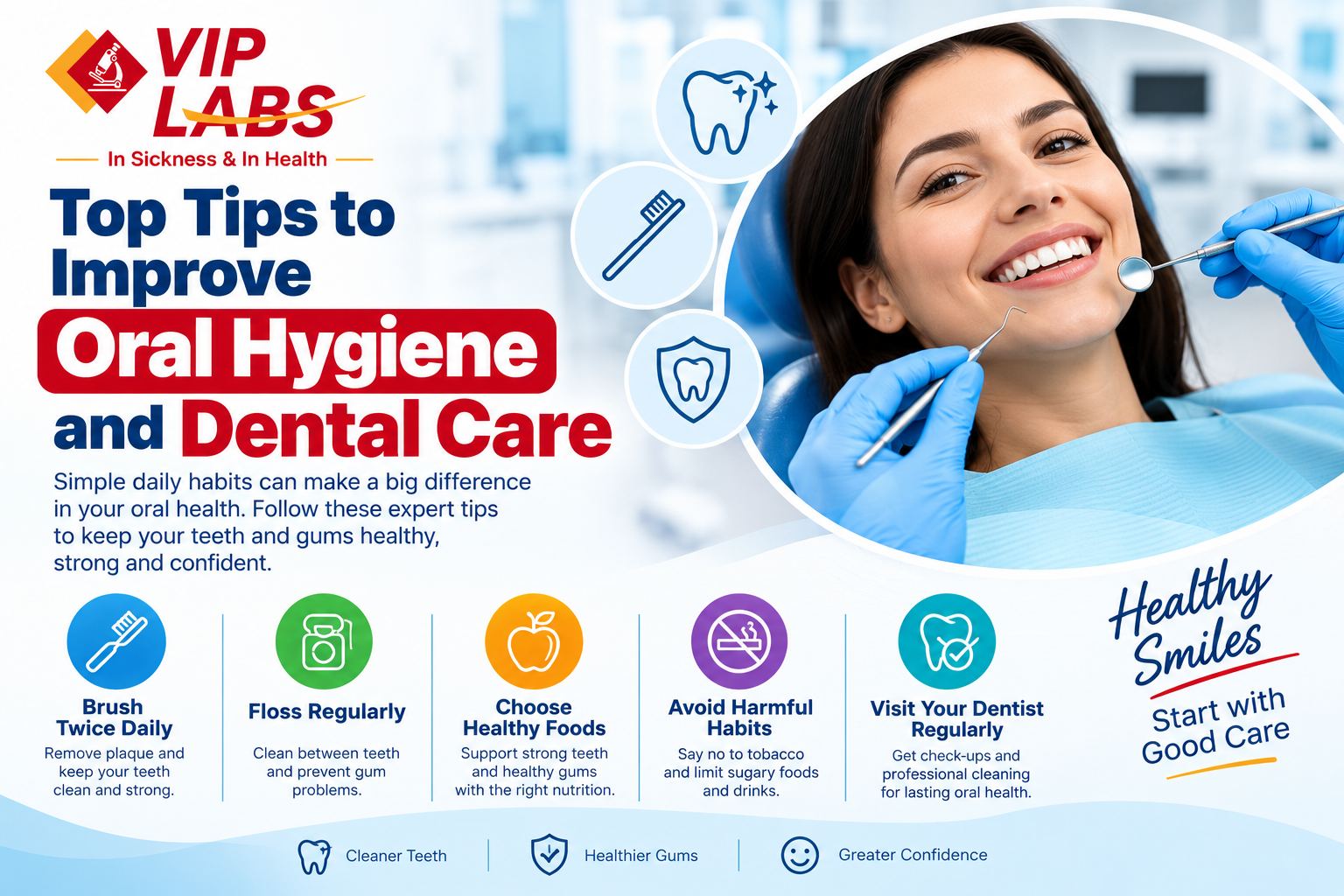
Your smile is one of the first things people notice, but maintaining healthy teeth and gums involves more than just having a bright smile. Good oral hygiene and proper dental care are essential for preventing cavities, gum problems, bad breath, tooth sensitivity, and other common dental issues.
If you experience plaque buildup, bleeding gums, bad breath, or tooth sensitivity, it may be time to improve your daily oral hygiene routine. The good news is that maintaining good oral health doesn't have to be complicated. Simple and consistent habits, such as brushing your teeth properly, flossing every day, eating a balanced diet, and visiting your dentist regularly, can make a significant difference.
In this guide, you'll discover practical oral hygiene tips and dental care tips to help protect your teeth, support gum health, and maintain a healthy, confident smile.
Brushing your teeth twice a day is one of the most important dental hygiene tips for maintaining healthy teeth. Brush once in the morning and again before going to bed using a soft-bristled toothbrush and fluoride toothpaste.
Spend about two minutes brushing and make sure you clean the front, back, and chewing surfaces of your teeth. Use gentle, circular movements instead of applying too much pressure, as aggressive brushing can irritate your gums and damage tooth enamel.
Consistent brushing habits can help remove plaque and food particles and reduce the risk of cavities.
Even proper brushing cannot completely clean the spaces between your teeth. Flossing helps remove plaque and food particles from these hard-to-reach areas.
Make flossing a part of your daily oral hygiene routine. Gently guide the floss between your teeth and along the gumline without forcing it.
Regular flossing can support gum health and help reduce the risk of cavities between your teeth.
Your tongue can collect bacteria, food particles, and other debris that may contribute to bad breath.
Cleaning your tongue every day with a toothbrush or tongue cleaner is a simple teeth care and oral hygiene tip that can help keep your mouth feeling cleaner and fresher.
Mouthwash can be an additional part of your dental care routine. Depending on your individual needs, your dentist may recommend a fluoride or antibacterial mouthwash.
Mouthwash should complement brushing and flossing rather than replace them. If you're unsure which type is suitable for you, ask your dentist for advice.
Your diet can have a direct impact on your oral health. Frequently consuming sugary foods and drinks can increase the risk of tooth decay.
For better dental health, include nutritious foods such as vegetables, fruits, whole grains, and dairy products in your diet. Drinking enough water throughout the day can also help wash away food particles and support a healthy mouth.
Frequent consumption of sugary snacks, candies, soft drinks, and acidic beverages can contribute to tooth decay and enamel erosion.
One of the most useful dental care tips is to limit these foods and drinks, particularly between meals. When you do consume them, rinsing your mouth with water afterward can help remove some of the remaining food particles and acids.
Water is a simple but effective part of good oral hygiene. It can help rinse away leftover food particles and keep your mouth hydrated.
Whenever possible, choose water instead of sugary drinks. Staying hydrated can also support saliva production, which naturally helps protect your teeth.
An old or worn toothbrush may not clean your teeth effectively. For better teeth care, replace your toothbrush or toothbrush head approximately every three months, or sooner if the bristles become frayed.
Using a toothbrush with soft bristles can help clean your teeth effectively while being gentle on your gums.
Tobacco can negatively affect your teeth and gums and is associated with several serious oral health problems. It can also contribute to tooth discoloration and persistent bad breath.
Avoiding tobacco products is an important part of maintaining good gum health and overall dental health.
Even an excellent daily oral hygiene routine cannot replace professional dental care. Regular dental check-ups allow your dentist to examine your teeth and gums, identify potential problems early, and recommend appropriate treatment when necessary.
Professional dental cleanings can also help remove plaque and tartar that regular brushing and flossing may not completely remove.
Pay attention to changes in your mouth. Persistent toothache, bleeding gums, swelling, tooth sensitivity, bad breath, or loose teeth may indicate an underlying dental problem.
Instead of ignoring these symptoms, consult a dental professional. Early attention can help identify problems before they become more serious.
A consistent routine can make oral hygiene and dental care easier:
The best way to prevent cavities and support healthy gums is to maintain consistent dental hygiene. Brush twice a day with fluoride toothpaste, floss daily, limit frequent consumption of sugary foods and drinks, drink water, and visit your dentist regularly.
If you notice bleeding, swelling, persistent pain, or other unusual symptoms, seeking professional dental advice is important.
1. How often should I brush my teeth?
You should brush your teeth twice a day, once in the morning and once before going to bed. Use a soft-bristled toothbrush and fluoride toothpaste, and brush for about two minutes each time.
2. Is flossing really necessary if I brush my teeth regularly?
Yes. Brushing cannot completely clean the spaces between your teeth. Daily flossing helps remove plaque and food particles from these areas and supports healthy gums.
3. How often should I replace my toothbrush?
It is recommended to replace your toothbrush or toothbrush head approximately every three months, or sooner if the bristles become frayed or worn.
4. Can cleaning my tongue improve oral hygiene?
Yes. The tongue can collect bacteria, food particles, and debris that may contribute to bad breath. Cleaning your tongue daily with a toothbrush or tongue cleaner can help keep your mouth cleaner and fresher.
5. Is mouthwash necessary for good oral health?
Mouthwash can be an additional part of your dental care routine, depending on your individual needs. However, it should complement brushing and flossing rather than replace them.
6. What foods are good for healthy teeth and gums?
A balanced diet containing vegetables, fruits, whole grains, and dairy products can support good oral health. Drinking enough water throughout the day can also help keep your mouth hydrated and rinse away food particles.
7. Why should I limit sugary and acidic foods?
Frequently consuming sugary foods and drinks can increase the risk of tooth decay, while acidic foods and beverages can contribute to enamel erosion. Limiting these foods and drinks can help protect your teeth.
8. How does drinking water help oral health?
Water can help rinse away leftover food particles and keep your mouth hydrated. Choosing water instead of sugary drinks can also help support better dental health.
9. What are the signs that I may have a dental problem?
Common warning signs include persistent toothache, bleeding gums, swelling, tooth sensitivity, bad breath, and loose teeth. If you experience these symptoms, you should consult a dental professional.
10. How often should I visit the dentist?
Regular dental check-ups are important even if you maintain a good daily oral hygiene routine. Your dentist can examine your teeth and gums, identify potential problems early, and provide professional cleaning when needed.
11. How can I prevent cavities?
You can help prevent cavities by brushing twice a day with fluoride toothpaste, flossing daily, limiting sugary foods and drinks, drinking water, and visiting your dentist regularly.
12. Can tobacco affect my oral health?
Yes. Tobacco can negatively affect your teeth and gums and is associated with several serious oral health problems. Avoiding tobacco products is an important part of maintaining good oral and dental health.
Maintaining good oral hygiene starts with small habits that you follow consistently. Brushing your teeth twice a day, flossing daily, cleaning your tongue, eating a balanced diet, limiting sugary foods, staying hydrated, and getting regular dental check-ups can all contribute to healthy teeth and healthy gums.
By making these simple oral hygiene tips and dental care tips part of your daily routine, you can help prevent cavities, support gum health, and maintain better overall dental health for years to come.