
Need Help?
+91 94294 10291
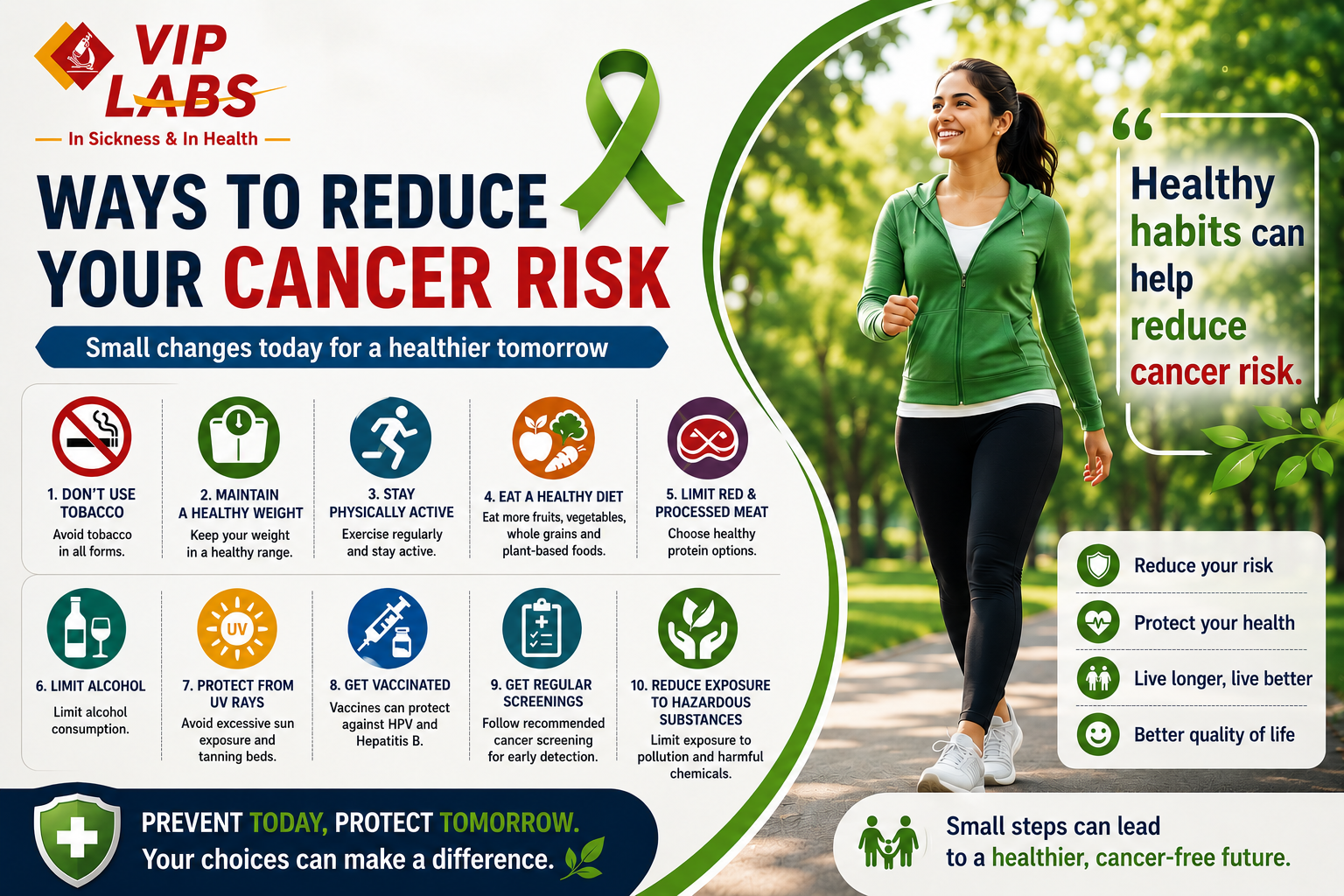
Cancer is a group of diseases that can develop when abnormal cells grow uncontrollably. Although not all cancers can be prevented, many cancer risk factors can be reduced through healthy lifestyle choices, vaccination, appropriate screening, and reducing exposure to known carcinogens.
According to the World Health Organization (WHO), up to four in ten cancer cases globally could be prevented by addressing preventable causes and risk factors.
Understanding ways to reduce your cancer risk can help you make healthier decisions for yourself and your family.
Cancer risk can be influenced by several factors, including tobacco use, alcohol consumption, unhealthy diet, physical inactivity, excess body weight, certain infections, ultraviolet radiation, air pollution and occupational exposure to carcinogens. Family history and genetic factors can also influence an individual's risk.
While you cannot control every risk factor, making healthy lifestyle choices can help lower your risk of several types of cancer.
1. Avoid Tobacco Products
One of the most important ways to reduce cancer risk is to avoid tobacco in all forms, including cigarettes, chewing tobacco and other tobacco products.
Tobacco is a major preventable cause of cancer and is associated with several types of cancer, including lung, mouth, throat, oesophageal, stomach, bladder, kidney and pancreatic cancers.
If you currently use tobacco, quitting can be an important step toward better long-term health. Avoiding second-hand smoke is also recommended.
2. Maintain a Healthy Body Weight
Being overweight or obese is associated with an increased risk of several cancers. Maintaining a healthy body weight through balanced nutrition and regular physical activity can contribute to cancer prevention.
Focus on sustainable lifestyle habits rather than extreme diets or rapid weight-loss programs.
3. Stay Physically Active
Regular physical activity is another important strategy for reducing cancer risk. Activities such as walking, cycling, swimming, or other suitable exercises can help you stay active and support healthy weight management.
Try to reduce long periods of sitting and include movement throughout your day.
4. Eat a Healthy, Balanced Diet
A healthy diet can contribute to overall health and may help reduce the risk of certain cancers.
Include a variety of:
WHO recommends a healthy diet with plenty of fruits and vegetables and advises limiting foods high in calories, unhealthy fats and sugars.
5. Limit Processed Meat and Red Meat
Dietary choices can influence cancer risk. In particular, WHO/IARC prevention recommendations advise avoiding processed meat and limiting red meat consumption.
Instead, build meals around a variety of vegetables, fruits, whole grains, pulses and other nutritious foods.
6. Limit or Avoid Alcohol
Alcohol consumption is associated with an increased risk of several cancers. For cancer prevention, avoiding alcohol is the best option; if you drink, reducing your intake can reduce exposure to this risk factor.
Do not start drinking alcohol for perceived health benefits.
7. Protect Your Skin From Excessive UV Exposure
Excessive exposure to ultraviolet (UV) radiation from the sun and artificial tanning devices can increase the risk of skin cancer.
To protect your skin:
WHO identifies UV radiation as a preventable cancer risk factor.
8. Get Recommended Vaccinations
Some infections can increase the risk of cancer. Vaccination against human papillomavirus (HPV) and Hepatitis B can help prevent certain cancer-causing infections and reduce the risk of associated cancers.
Talk to your healthcare professional about which vaccinations are appropriate for you or your children based on age, health status and local recommendations.
9. Follow Recommended Cancer Screening
Cancer screening can help identify certain cancers or precancerous changes before symptoms develop. However, screening is not appropriate for every cancer or for every person.
The recommended screening method and timing depend on factors such as age, sex, family history, personal health history and individual risk.
Talk with your doctor about the screening tests appropriate for you.
10. Reduce Exposure to Workplace and Environmental Hazards
Some people may be exposed to carcinogenic substances through their workplace or environment. Depending on the occupation, these can include certain chemicals, dusts, radiation and other hazardous substances.
Follow workplace safety instructions, use appropriate protective equipment, and discuss concerns about occupational exposures with your employer or healthcare professional. WHO identifies occupational carcinogens and air pollution among factors that can contribute to cancer risk.
Regular health checkups do not prevent every cancer, but appropriate preventive care can help identify certain health problems and ensure that recommended screening is performed at the right time.
Depending on your age and risk factors, your healthcare professional may recommend specific examinations, screening tests or laboratory investigations.
It is important to remember that **routine blood tests alone cannot detect or rule out all types of cancer**. Cancer diagnosis usually requires appropriate clinical evaluation and when indicated, specific imaging, screening, or diagnostic procedures.
You should speak with a healthcare professional if you notice persistent or unexplained changes in your health, such as:
These symptoms can have many causes and do not necessarily mean cancer. However, persistent or concerning symptoms should be medically evaluated rather than ignored.
There is no single method that can completely prevent cancer, but there are several proven ways to reduce your cancer risk. Avoiding tobacco, staying physically active, maintaining a healthy weight, eating a balanced diet, limiting alcohol, protecting your skin from excessive UV exposure, getting recommended vaccinations and following appropriate cancer screening guidelines can all contribute to cancer prevention.
Take proactive steps today to protect your health and reduce preventable cancer risks.