
Need Help?
+91 94294 10291
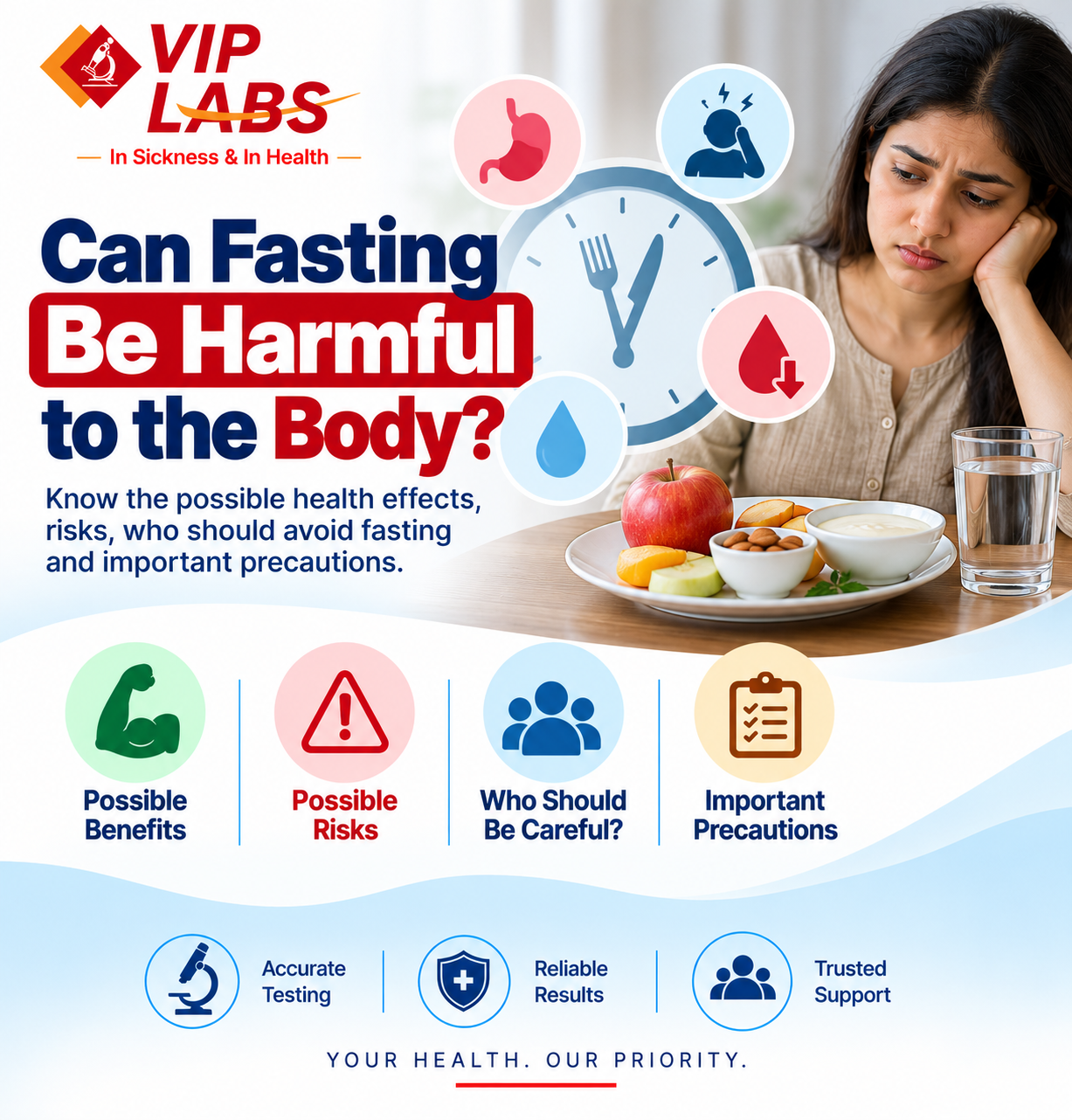
Fasting is practiced by many people for religious, cultural, health, or dietary reasons. Some people also follow intermittent fasting as part of their approach to weight management and healthy eating.
While fasting may be suitable for some healthy adults, it does not affect everyone in the same way. Depending on the duration of fasting, fluid intake, nutrition, medications, and overall health, some people may experience weakness, dizziness, dehydration, low blood sugar, or other health effects.
When you stop eating for a period of time, your body first uses available glucose for energy. As the fasting period continues, the body starts using stored glycogen and may gradually use stored fat as an energy source.
During this process, some people may feel hungry or tired, while others may experience changes in energy levels, concentration, or mood.
The body's response can vary depending on the fasting duration, hydration, physical activity, sleep, and nutritional status.
Yes, fasting can cause problems in some situations, especially when it is prolonged, poorly planned, or combined with inadequate fluid and nutrient intake.
Possible fasting side effects may include:
A fasting routine that is comfortable for one person may not be suitable for another.
Yes. Dehydration can occur when a person does not consume enough fluids during fasting.
Water is important for maintaining blood circulation, body temperature, kidney function, and many other body processes. The risk of dehydration may increase during hot weather, physical activity, or prolonged periods without fluids.
Common signs of dehydration include:
Maintaining adequate hydration during permitted fasting periods is important.
Fasting can reduce blood glucose levels because food is not consumed for several hours.
For many healthy people, the body has mechanisms that help maintain blood glucose levels. However, people with diabetes or those taking certain blood sugar-lowering medicines may have a higher risk of hypoglycemia during fasting.
If you have diabetes, fasting should be planned carefully according to your individual health needs.
Some people may experience weakness, tiredness, dizziness, or headaches while fasting.
These symptoms can be associated with reduced food intake, dehydration, changes in blood sugar, lack of sleep, or inadequate nutrition.
If symptoms become severe or continue for a long time, it may be necessary to stop fasting and seek appropriate medical attention.
Fasting does not automatically cause nutritional deficiencies. However, repeatedly skipping meals or following a poorly planned fasting routine may make it difficult to consume enough essential nutrients.
A balanced diet should provide adequate:
The nutritional quality of meals consumed during non-fasting periods is therefore important.
Fasting may affect kidney health indirectly, particularly when fluid intake is inadequate.
Dehydration can put additional stress on the kidneys and may be more concerning for people who already have kidney problems.
People with kidney disease or conditions that affect fluid and electrolyte balance should discuss fasting with their healthcare provider before starting.
VIP Labs offers a Kidney Function Test (RFT) that includes parameters such as blood urea, serum creatinine, proteins, electrolytes, uric acid, and urine examination.
Fasting may not be suitable for everyone. Extra care may be required for people with:
Pregnant or breastfeeding women, children, older adults, and people with certain medical conditions may also require individual medical advice before fasting.
Some fasting approaches may support weight management when they help maintain an appropriate overall calorie intake and are combined with a balanced diet.
However, fasting is not a guaranteed method for weight loss. Consuming excessive amounts of high-calorie foods during non-fasting periods may reduce any potential benefit.
Healthy weight management generally involves balanced nutrition, regular physical activity, adequate sleep, and sustainable eating habits.
No. Intermittent fasting is not suitable for everyone.
Some healthy adults may follow intermittent fasting without significant problems, while others may experience headaches, hunger, weakness, or difficulty meeting their nutritional needs.
Whether intermittent fasting is appropriate depends on factors such as age, health conditions, medications, activity level, and nutritional requirements.
Changes in eating patterns, calorie intake, and body weight can influence cholesterol levels. However, the effect of fasting can vary between individuals.
A balanced diet containing vegetables, fruits, whole grains, fibre, and appropriate sources of healthy fats is important for maintaining healthy cholesterol levels.
A Lipid Profile can help measure cholesterol and triglyceride levels and provide useful information about cardiovascular health.
Yes. Fasting can significantly affect blood glucose levels, particularly in people with diabetes.
People taking insulin or certain diabetes medicines may have a higher risk of low or high blood sugar when their eating schedule changes.
VIP Labs offers Fasting Blood Sugar and HbA1c testing to help assess blood glucose levels.
Whether water is allowed depends on the type and purpose of fasting.
For many non-religious fasting routines, drinking water is allowed and can help reduce the risk of dehydration.
However, some religious or medical fasting instructions may have specific restrictions. Always follow the instructions relevant to your fasting routine or medical test.
After fasting, it is generally better to return to eating gradually instead of consuming a very large or heavy meal immediately.
Choose balanced foods containing:
Avoiding excessive amounts of very sugary, fried, or highly processed foods can help support a balanced diet.
Yes, some blood tests require fasting, while others do not.
For example, Fasting Blood Sugar is commonly performed after a specified fasting period. Some health packages may also require fasting because multiple tests are performed together.
VIP Labs' Fit India Mini Body Profile specifies an 8–10 hour fasting period before sample collection. The preparation requirements can vary depending on the tests included.
Always follow the specific preparation instructions provided for your test.
You should consider stopping a fast if you develop significant or worsening symptoms such as:
If symptoms are serious, seek appropriate medical attention rather than continuing the fast.
If fasting is appropriate for you, some basic precautions can help:
Stay adequately hydrated when fluids are permitted.
Eat balanced meals during non-fasting periods.
Avoid excessive physical activity if you feel weak or dizzy.
Pay attention to symptoms such as headache, weakness, or dizziness.
Avoid prolonged fasting without appropriate guidance.
People taking regular medicines should follow their healthcare provider's instructions.
People with diabetes, kidney disease, or other medical conditions should discuss fasting with their healthcare provider.
1.Is fasting good for the body?
Fasting may have potential benefits for some healthy adults, but its effects vary from person to person. A balanced diet and healthy lifestyle remain important.
2.How long can a person safely fast?
There is no single fasting duration that is safe for everyone. Safety depends on factors such as health status, hydration, nutrition, medications, and the type of fasting.
3.Can fasting cause low blood pressure?
Yes. Reduced fluid and food intake may contribute to low blood pressure in some people, particularly those who are already prone to low blood pressure.
4.Can I exercise while fasting?
Light physical activity may be tolerated by some people, but intense exercise can increase the risk of dehydration, weakness, or dizziness. Activity should be adjusted according to how you feel.
5.Can fasting affect cholesterol?
Changes in diet, calorie intake, and body weight can affect cholesterol levels. The impact varies between individuals.
6.Can fasting affect diabetes?
Yes. Fasting can change blood glucose levels and may increase the risk of low or high blood sugar in people with diabetes, particularly when medicines are involved.
7.Can fasting cause dehydration?
Yes. Inadequate fluid intake during fasting can lead to dehydration, especially in hot weather or during physical activity.
8.What should I eat after fasting?
Choose a balanced meal containing protein, vegetables, fruits, whole grains, healthy fats, and adequate fluids. Avoid overeating immediately after a long fasting period.
9.Can fasting affect kidney health?
Dehydration and changes in fluid intake may affect kidney function, particularly in people with existing kidney problems.
10.Is intermittent fasting suitable for everyone?
No. Some people may not be suitable for intermittent fasting because of their health conditions, medications, age, nutritional needs, or other factors.
Fasting can be part of some people's lifestyle, religious practices, or dietary routines, but it is not suitable for everyone. Its effects depend on factors such as fasting duration, hydration, nutrition, physical activity, medications, and overall health.
Short periods of fasting may be tolerated by many healthy adults, while prolonged or poorly planned fasting can contribute to dehydration, weakness, low blood sugar, nutritional problems, or other health concerns.
Understanding your body's needs and following appropriate precautions can help make fasting safer. If you have an existing health condition or take regular medication, consider your individual health needs before starting a fasting routine.